

Monolithics
Refractory mortars
Essential for laying and repairing structures that work at high temperatures. Refractory mortars, dry or wet, give a firm bond between bricks in furnaces, boilers, fireplaces and grills.
800 – 1,600 °CDry or wetBrick laying
What is refractory mortar?
Unlike ordinary mortar, refractory mortar is based on alumina, silica and other minerals that withstand high temperatures.
It acts as the bond between refractory bricks and blocks and also allows repairs and coatings on surfaces exposed to heat, preventing heat loss through the joints.
Key features
- High heat resistance. From 800 °C to 1,600 °C, depending on the formulation.
- Good workability. Adhesion and fast application.
- Durable. Extends the life of structures.
- Safety. Prevents structural failure at the joints.
- Energy efficiency. Well-sealed joints lose less heat.
Applications
Industrial and ceramic furnacesA stable bond between refractory bricks.
Grills and fireplacesA safe finish that resists direct heat.
Boilers and kilnsContinuous heating and cooling cycles.
MaintenanceRepairs to existing refractory linings.
Technical data
Reference data. For full specifications, talk to our team.
- Operating temperature
- 800 °C to 1,600 °C, depending on the formulation
- Versions
- Dry (bag) and wet (bucket)
- Use
- Brick laying and repairs
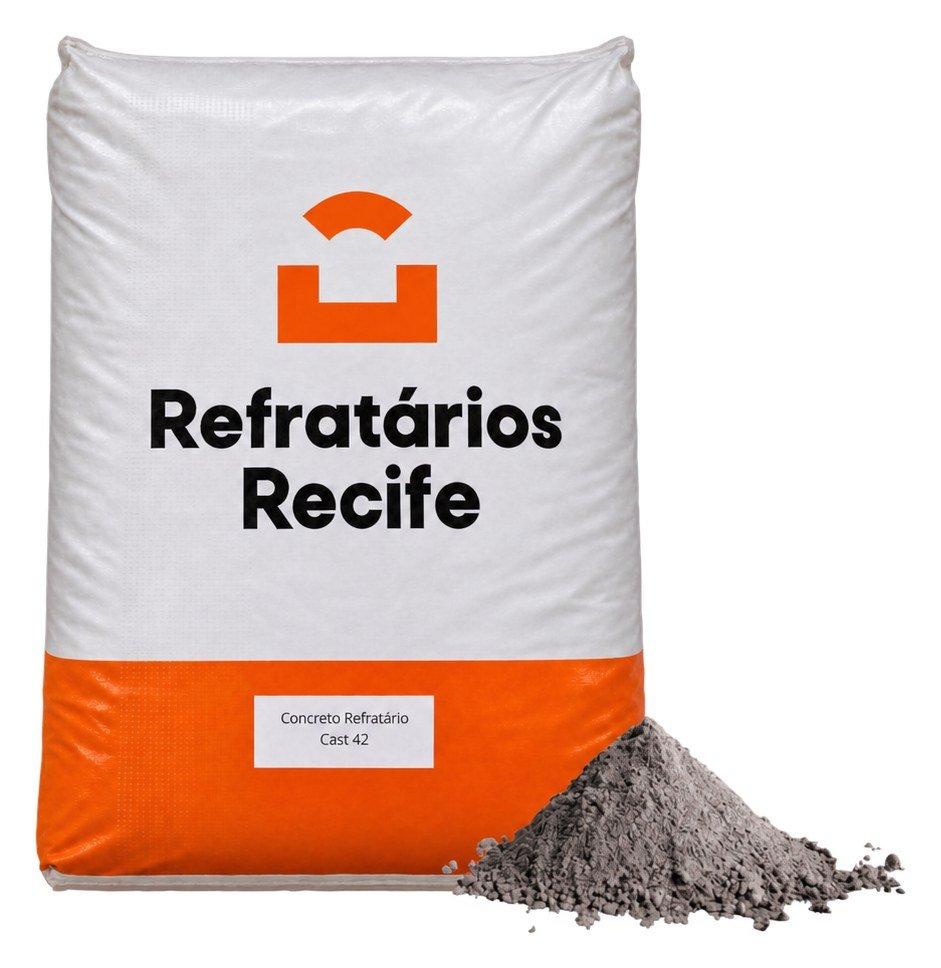
Need refractory mortars?
Tell us about the equipment and the operating temperature. We reply within 24 hours.